
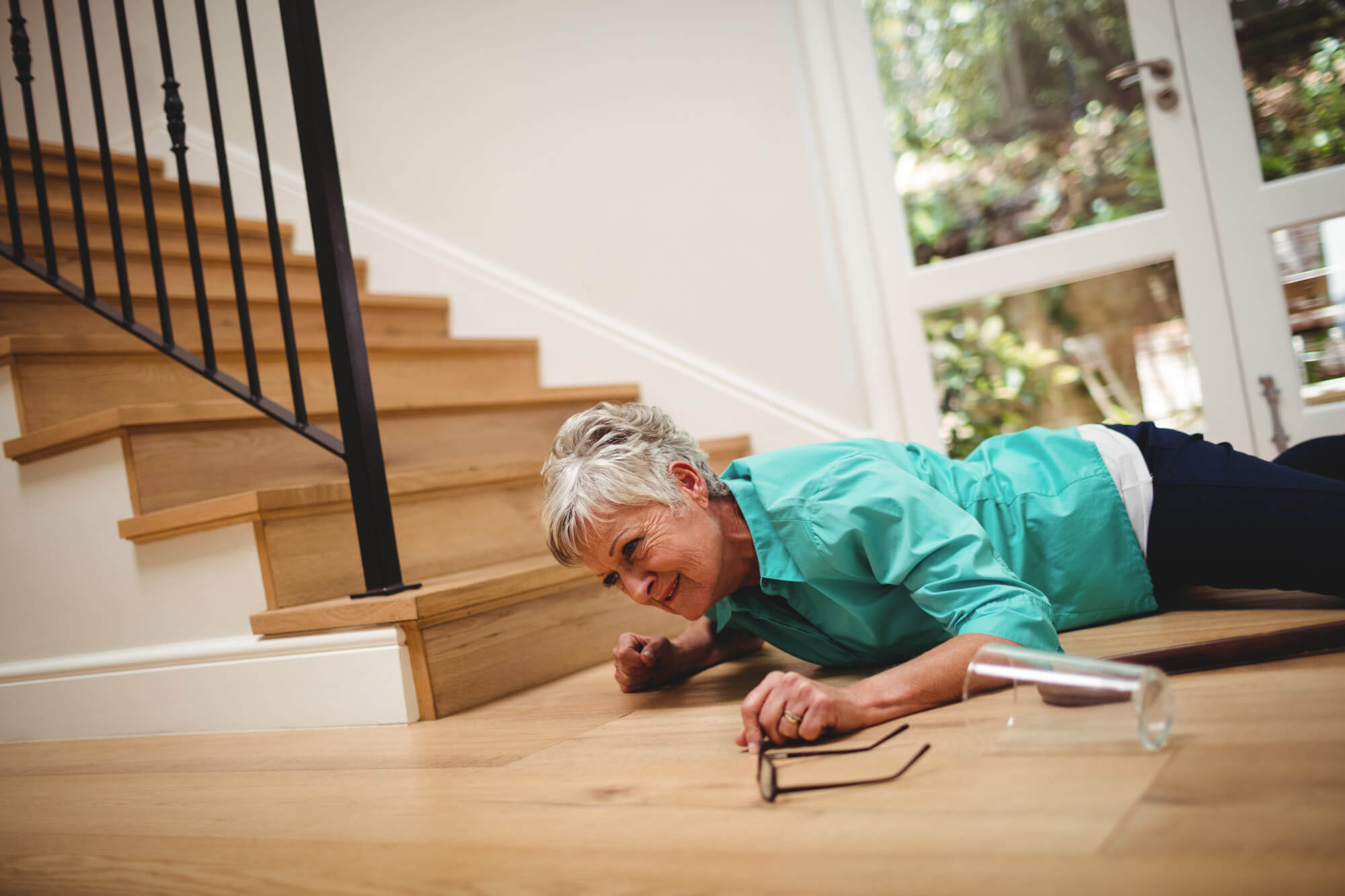
Fighting for Injured Victims of Dangerous Property Conditions

Fighting for Injured Victims of Dangerous Property Conditions

A fall can happen in seconds, but the evidence may disappear just as quickly. We investigate dangerous conditions, preserve evidence, and hold property owners accountable.

Slip and Fall

Florida Slip and Fall Lawyers

The Dellutri Law Group, PA represents people injured by dangerous conditions on Florida property. Our slip and fall lawyers investigate what caused the fall, who controlled the area, how long the condition may have existed, what warnings were provided, and how the injury has affected the client and family.

What to Do After a Slip, Trip, or Fall

  • Check for injury before trying to stand or walk.
  • Photograph or video the exact condition, surrounding area, lighting, warning signs, floor, stairs, handrails, and nearby displays.
  • Photograph visible injuries and continue documenting bruising, swelling, or other changes.
  • Report the incident to the manager, owner, or responsible person and request a copy or photograph of the report.
  • Collect names and contact information for witnesses and employees who responded.
  • Seek appropriate medical care and accurately explain how the fall occurred.
  • Save clothing and footwear without washing or altering them.
  • Keep receipts, purchase records, and other items that establish the date, time, and location.
  • Request legal advice quickly so surveillance and maintenance records can be preserved.

Who May Be Responsible?

A premises-liability claim may involve the property owner, tenant, business operator, management company, maintenance contractor, cleaning company, security provider, or another party responsible for the condition. Responsibility depends on control, contracts, notice, and the nature of the hazard.

Common locations include grocery stores, restaurants, hotels, apartment communities, parking lots, retail stores, offices, entertainment venues, private homes, and public property. Different duties and notice requirements may apply depending on the location and the injured person's legal status on the property.

Florida's Notice Requirement for Business Falls

When a person slips on a transitory foreign substance in a Florida business establishment, the injured person generally must prove that the business had actual or constructive knowledge of the dangerous condition and should have taken action to correct it.

Constructive knowledge may be shown by circumstantial evidence, such as a condition that existed long enough that it should have been discovered, or a condition that occurred with regularity and was therefore foreseeable. Inspection records, video, employee testimony, footprints, track marks, drying patterns, recurring leaks, and prior incidents can become important.

Common Dangerous Property Conditions

  • Liquids, food, oil, produce, or cleaning residue on walking surfaces.
  • Uneven flooring, broken tile, torn carpet, loose mats, or unexpected elevation changes.
  • Damaged stairs, missing or loose handrails, and code violations.
  • Poor lighting, obstructed walkways, and hidden changes in level.
  • Potholes, wheel stops, cracked pavement, and unsafe parking areas.
  • Leaks, refrigeration condensation, and recurring drainage problems.
  • Merchandise, cords, boxes, or equipment left in customer pathways.
  • Failure to place reasonable warnings while a hazard is being corrected.

Proving Causation and Damages

It is not enough to show that a property was imperfect. The evidence must connect the dangerous condition to the fall and the fall to the injury. Medical records, diagnostic imaging, photographs, witness accounts, prior health history, and expert opinions may be needed.

Florida's comparative-fault law can also become an issue. The defense may argue the condition was open and obvious, the injured person was distracted, or footwear caused the fall. In most negligence cases, damages are reduced by the claimant's percentage of fault, and a claimant found more than 50 percent responsible generally cannot recover.

Compensation in a Premises-Liability Claim

  • Medical expenses and reasonably anticipated future care.
  • Lost wages and reduced earning capacity.
  • Out-of-pocket expenses and necessary assistance.
  • Pain, disability, emotional distress, scarring, and loss of enjoyment of life.
  • Family-related damages when available.
  • Wrongful-death damages when an unsafe condition causes a fatal injury.

Do Not Let the Evidence Be Cleaned Away

Property and insurance representatives may ask for statements or authorizations soon after the incident. Before signing broad releases or giving detailed recorded statements, understand how the information may be used. The business may have surveillance, inspection logs, incident reports, employee schedules, and maintenance records that should be preserved.

Contact The Dellutri Law Group, PA for a complimentary consultation. We have served injured Floridians since 1998 and can help determine whether the facts support a premises-liability claim and what should be done immediately.

Unsafe Property Conditions

Slip and fall accidents may happen because of wet floors, uneven walkways, broken stairs, poor lighting, loose carpeting, spilled merchandise, missing handrails, or other dangerous conditions. Property owners and businesses may be responsible when they fail to reasonably inspect, repair, or warn visitors about a hazard.

What to Do After a Fall

After a fall, seek medical attention and report the incident to the property owner, manager, or responsible employee. Photograph the dangerous condition, surrounding area, visible injuries, and anything else that may help explain what happened. Request a copy of the incident report and collect contact information from witnesses.

Proving Property Owner Negligence

A successful slip and fall claim usually requires evidence that a dangerous condition existed and that the property owner knew or reasonably should have known about it. Inspection records, surveillance footage, photographs, witness statements, maintenance logs, and prior complaints may help establish responsibility.

Common Slip and Fall Injuries

Falls can cause broken bones, spinal injuries, traumatic brain injuries, torn ligaments, shoulder injuries, hip injuries, and serious bruising. Some conditions may not be immediately apparent, which is why prompt medical evaluation and continued documentation are important.

Compensation After a Slip and Fall

Depending on the facts of the case, compensation may be available for medical expenses, future treatment, lost income, reduced earning capacity, pain and suffering, and the effect the injury has had on daily life. Dellutri Law Group evaluates the full impact of the fall and helps injured clients pursue accountability from the responsible parties.

Client Feedback

A client meeting with their attorney in a professional office
We highly recommend Attorney Amanda Downing and her team at Dellutri Law Group! Our family was only a couple blocks away from home when we were hit broadside by another vehicle and totaled our SUV. From the moment we reached out to Amanda, we felt supported and cared for.

— Carmen R., Fort Myers

Why Choose Dellutri?

Compassionate Guidance

We understand the stress of financial hardship and treat every client with dignity and respect.

Clear Communication

We explain complex bankruptcy concepts in simple terms so you understand every decision.

Personalized Strategy

Every financial situation is different. We build a plan tailored to your specific needs and goals.

Proven Results

Hundreds of Florida families have successfully achieved debt relief with our guidance.

Your Recovery Matters

Take the first step toward getting the compensation you deserve. Our team is ready to help you understand your options.

Carmen Dellutri - Founding Attorney
>

Frequently Asked Questions

What must I prove in a Florida slip and fall case? +

You generally must prove a duty of care, a dangerous condition, notice when required, causation, and damages. For a transitory foreign substance in a business, Florida law generally requires proof that the business had actual or constructive knowledge and should have corrected the condition.

What is constructive knowledge? +

Constructive knowledge means the business may not admit actual awareness, but the surrounding facts show it should have known. This may be established when a condition existed long enough to be discovered or occurred regularly enough to be foreseeable. Video, inspection practices, track marks, and prior incidents may help.

What if there was a warning sign? +

A warning sign does not automatically defeat a claim. The question is whether the warning was timely, visible, understandable, and reasonable for the actual danger. The sign's location, the condition, lighting, pedestrian route, and available alternatives all matter.

Can I recover if I was partly at fault for the fall? +

Potentially. Florida generally reduces damages by the claimant's percentage of fault. In most negligence actions, a claimant found more than 50 percent responsible for their own harm may be barred from recovery. Evidence should be reviewed before accepting an insurer's blame assessment.

How long do I have to file a slip and fall lawsuit in Florida? +

Many negligence claims are generally subject to a two-year filing deadline, but the correct deadline depends on the date, property owner, defendant, and other circumstances. Claims involving government property may require earlier notice. Evidence preservation should begin well before the deadline.